Hi, I'm Zechen Li.
A
PhD student in Computer Science with research focus on computer vision, deep learning, and vision-language models. Passionate about advancing interpretability in AI systems.
About
Zechen Li is a PhD student in the Department of Computer Science at Tulane University.
Li's research focuses on computer vision and deep learning, with a particular emphasis on interpretability in visual-language models. His recent projects include the detection and tracking of birds in rainforest environments and the analysis of how visual tokens and textual tokens interact in vision-language models. His work aims to advance the understanding of how vision-language systems process and represent text and visual information, contributing to more transparent and trustworthy artificial intelligence.
Li holds a Bachelor's degree in Computer science from the Chinese University of Hong Kong and a Master's degree in Computer science from Tulane University.
- Languages: Python, Java, C
- Deep Learning: PyTorch, TensorFlow, Keras
- Computer Vision: OpenCV, PIL
- Data Science: scikit-learn, pandas, NumPy, matplotlib
Looking for opportunities to collaborate on research projects in computer vision, deep learning, and vision-language models.
Experience

- Conduct research on computer vision and deep learning, with a primary focus on visual-language models (VLMs) such as CLIP, BLIP, and Flamingo.
- Implement and evaluate multimodal architectures integrating image and text understanding for tasks including image-text retrieval, captioning, and zero-shot classification.
- Conduct experiments involving feature alignment, contrastive learning, and vision transformer backbones to enhance cross-modal representation learning.
- Perform model fine-tuning, dataset curation, and performance analysis using large-scale vision-language benchmarks.
- Collaborate on research papers, codebase development, and result visualization, contributing to reproducible and interpretable deep learning research.
Projects
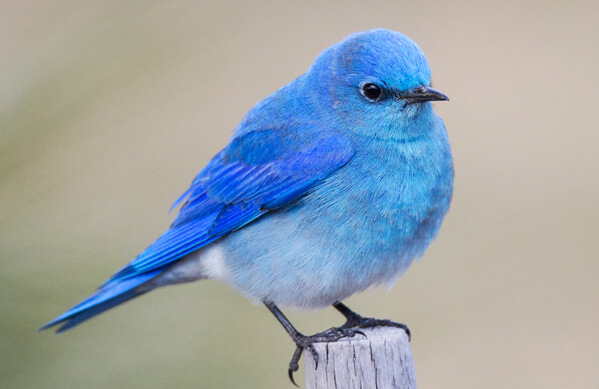
Wildlife monitoring system using SAM2 for detection and tracking
- Tools: Python, PyTorch, SAM2, OpenCV
- Developed automated detection and tracking system for bird species in rainforest environments.
- Analyzed behavioral patterns and movement tracking from raw video data.
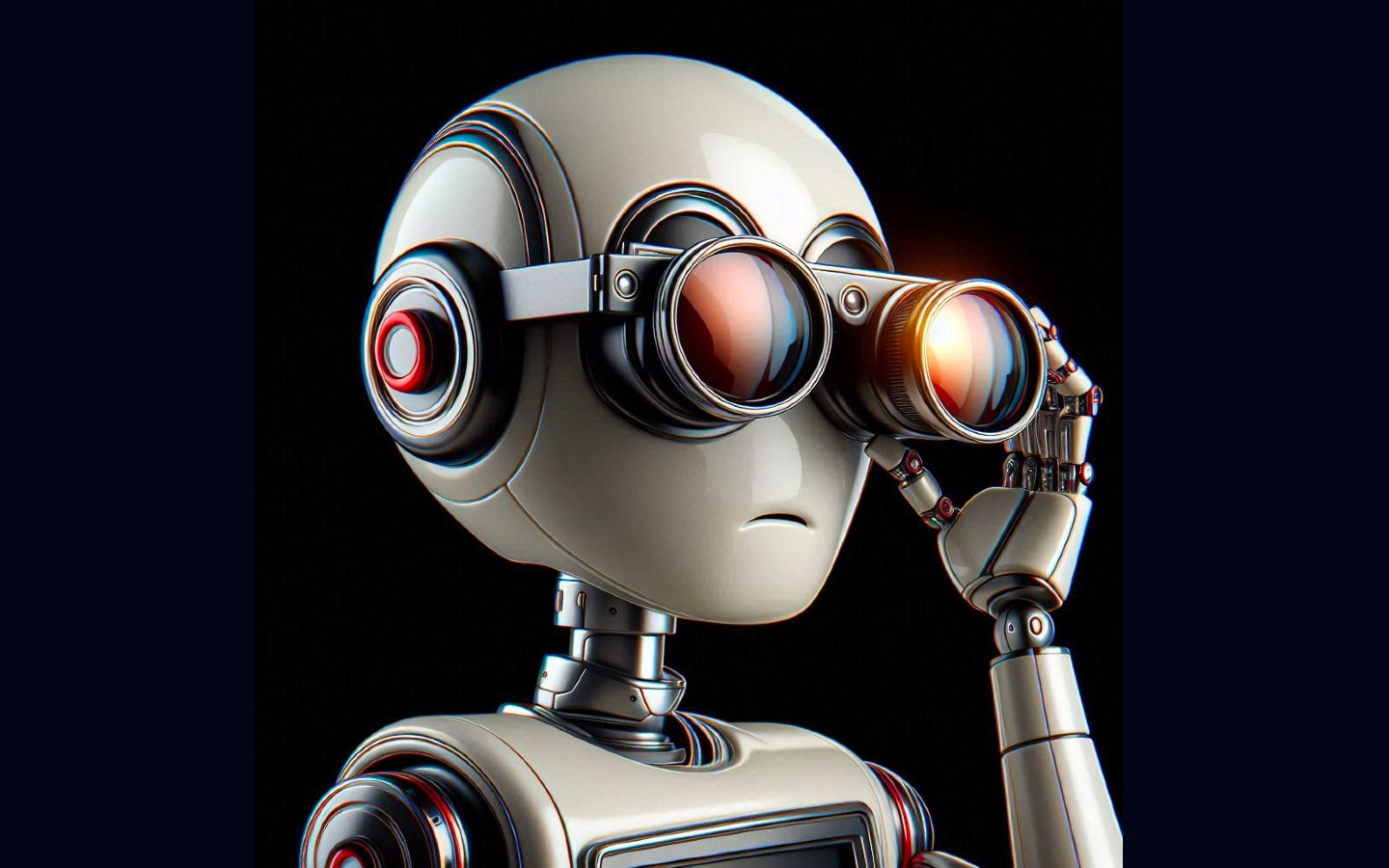
Analysis of token interactions in vision-language models
- Tools: Python, PyTorch, Transformers
- Investigated how visual and textual tokens interact in vision-language models.
- Advanced understanding of interpretability in multimodal AI systems.
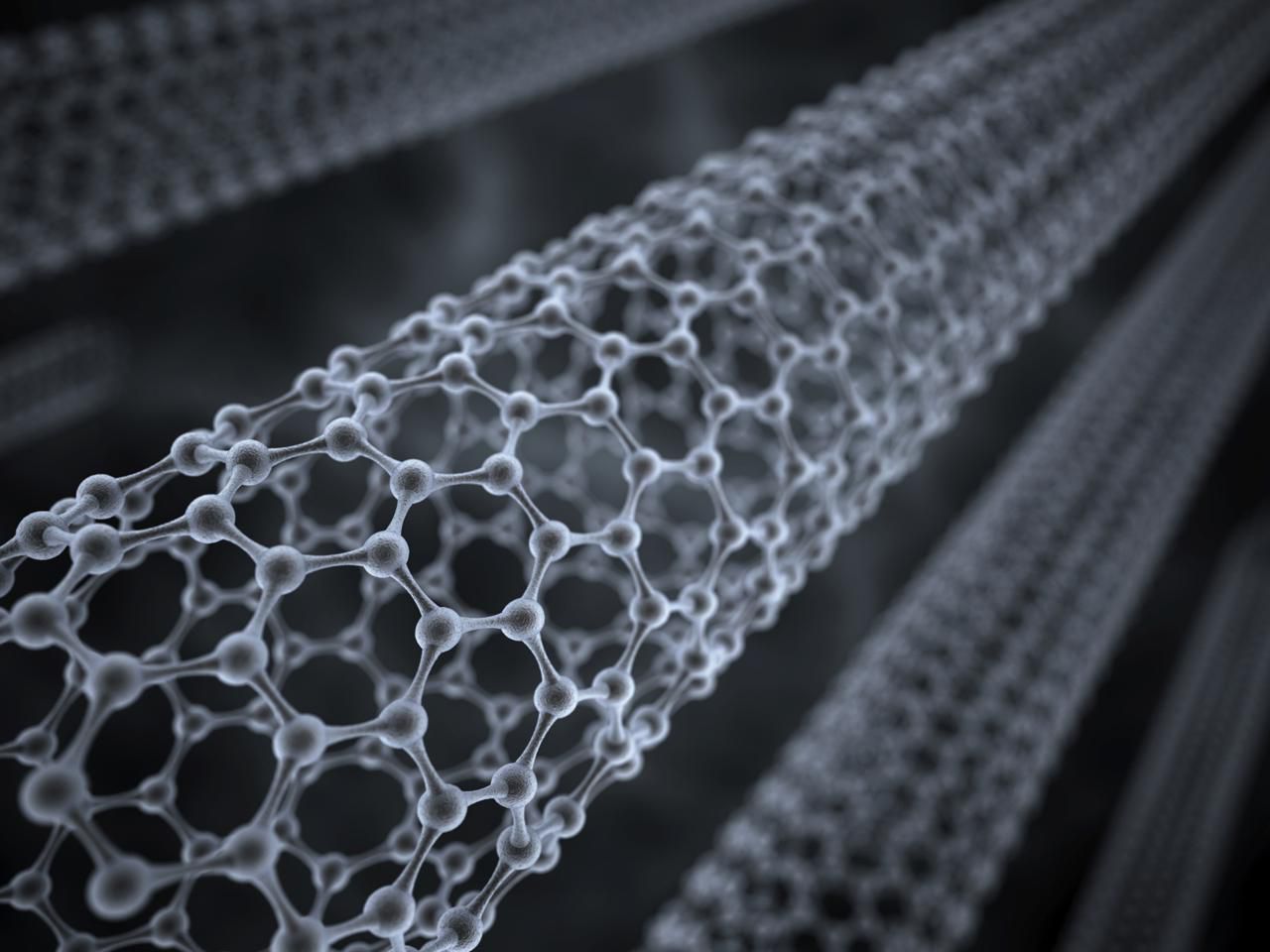
Predictive models using Neural Networks and SVM
- Tools: Python, TensorFlow, Keras, scikit-learn
- Developed predictive models to determine carbon nanotube coordinates based on structural properties.
- Compared performance between Neural Networks and Support Vector Machines.

Deep learning models for cryptocurrency market analysis
- Tools: Python, TensorFlow, Keras, pandas
- Applied deep learning models to analyze historical Bitcoin price data.
- Evaluated performance of different models to optimize cryptocurrency trading strategies.
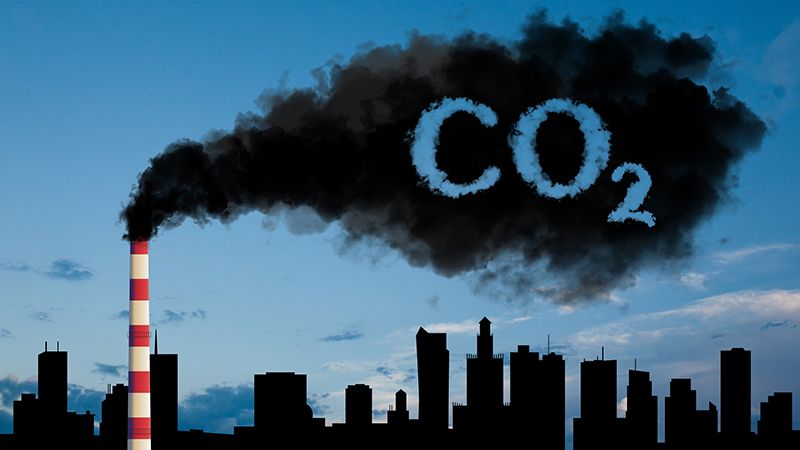
Statistical analysis of emissions and environmental factors
- Tools: Python, pandas, NumPy, matplotlib
- Employed statistical modeling techniques to analyze CO2 emissions in the United States.
- Examined relationships between emissions and various environmental and economic factors.
Skills
Programming Languages
 Python
 Java
Java
 C
C
Deep Learning & Computer Vision
 PyTorch
 TensorFlow
 Keras
Keras
 OpenCV
Data Science & ML Libraries
 NumPy
NumPy
 Pandas
 scikit-learn
 matplotlib
Development Tools
 Git
Git
 Docker
 Jupyter
Education
New Orleans, Louisiana, USA
Degree: PhD in Computer Science
Expected Graduation: Spring 2030
- Computer Vision
- Deep Learning
- Visual-Language Models
- AI Interpretability
Research Areas:
New Orleans, Louisiana, USA
Degree: Master of Science in Computer Science
Graduation: Spring 2025
- Deep Learning
- Machine Learning
- Computer Vision
- Data Science
- Information Security
- Computer Networks
Relevant Coursework:
The Chinese University of Hong Kong
Hong Kong
Degree: Bachelor of Science in Computer Science
Graduation: Spring 2022
- Data Structures
- Design and Analysis of Algorithms
- Discrete Mathematics for Engineers
- Probability and Statistics for Engineers
- Linear Algebra and Vector Calculus
- Calculus for Engineers
Relevant Coursework: